Confirm the scope
Review exactly which floors, rooms, exterior areas, systems, and conditions are included in the scan.
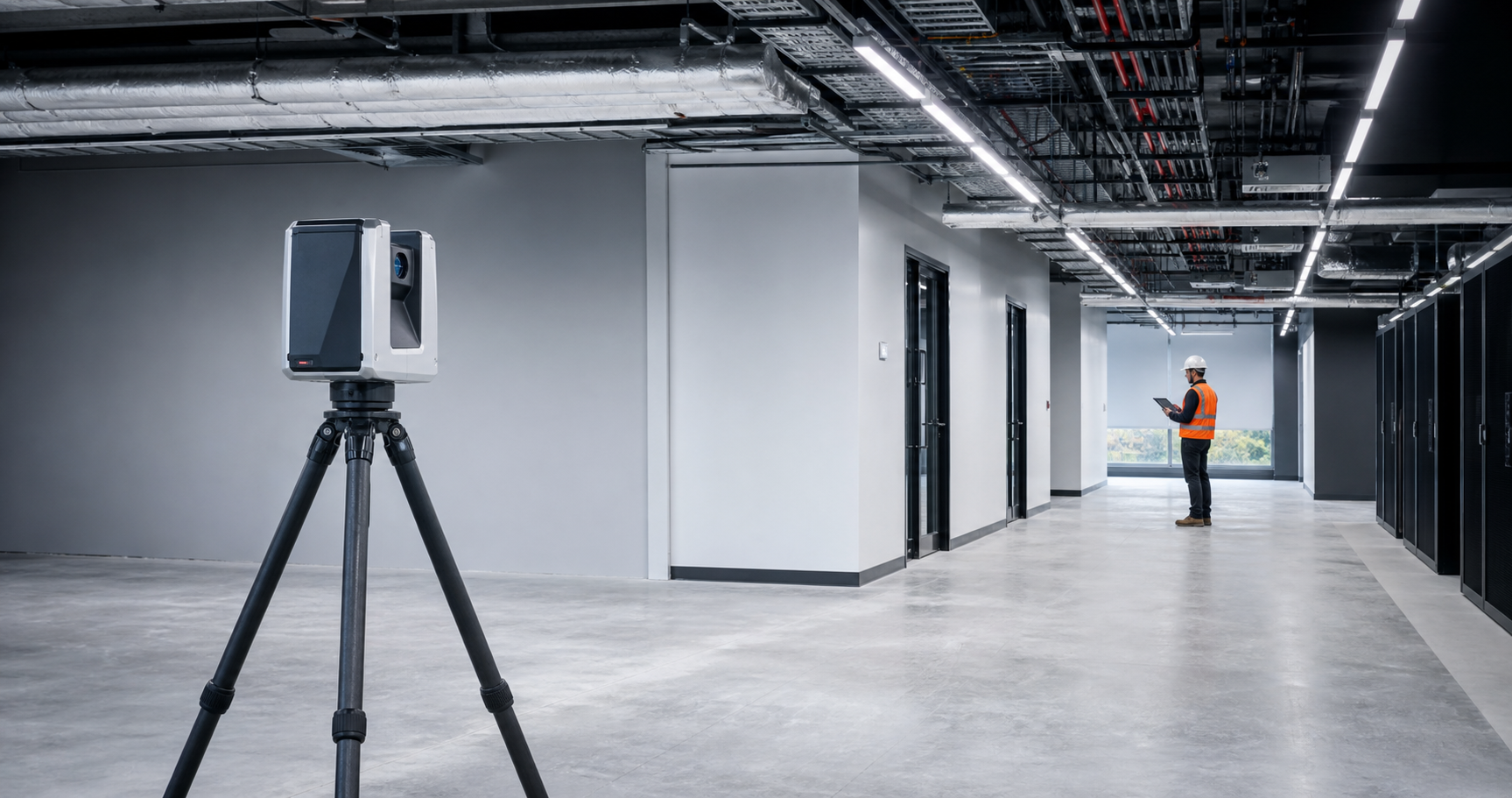
A productive laser-scan visit begins before the scanner is set up. Clear access, a defined capture scope, and early coordination with the people who manage the site help ensure the scan supports the project decisions that come next.
START WITH THE PURPOSE
Before the visit, identify the spaces, systems, and conditions that need to be captured. A scan intended to support a renovation may focus on existing walls, openings, ceilings, structure, and major MEP systems. A facility documentation effort may call for a different coverage area or level of detail.
Sharing the intended use early helps establish the right visit plan, access needs, coverage areas, and deliverables. It also gives the project team an opportunity to flag sensitive areas, equipment, operational restrictions, or conditions that may affect scanning.
A SIMPLE PREPARATION CHECKLIST
Review exactly which floors, rooms, exterior areas, systems, and conditions are included in the scan.
Coordinate building access, security approvals, escorts, keys, and permission for restricted spaces before the scheduled visit.
Where practical, make key areas accessible and identify any furniture, stored materials, or operational activity that limits visibility.
Tell the scanning team about shutdown windows, active operations, confidentiality requirements, safety procedures, and timing limits.
WHY PREPARATION HELPS
A laser scan captures the conditions that are visible and accessible during the visit. Advance planning helps the team target the areas that matter, avoid preventable access issues, and make the visit more efficient. It can also help project managers plan around active work, tenants, security, and building operations.
Every site is different, so Devarch confirms the agreed scope and practical requirements before work begins. The result is a capture plan aligned to how the information will be used—not a generic site visit.
JOIN THE CONVERSATION
Share your
perspective.
Have a question, a lesson from the field, or a thought about this guide? We welcome your perspective.